A new survey commissioned by Navman found that inattention is the leading cause of speeding fines among Australian drivers, not deliberate law breaking. Of those who received a fine during 2025, 26% attributed it to simply not paying attention at the time. That figure was the highest single reason recorded across all responses.
What the survey found
When the three most passive causes are combined, they account for nearly half of all responses. Drivers were not choosing to speed. They missed a sign, drove into an area they did not know, or let their attention drift.
- 26% said they were not paying attention
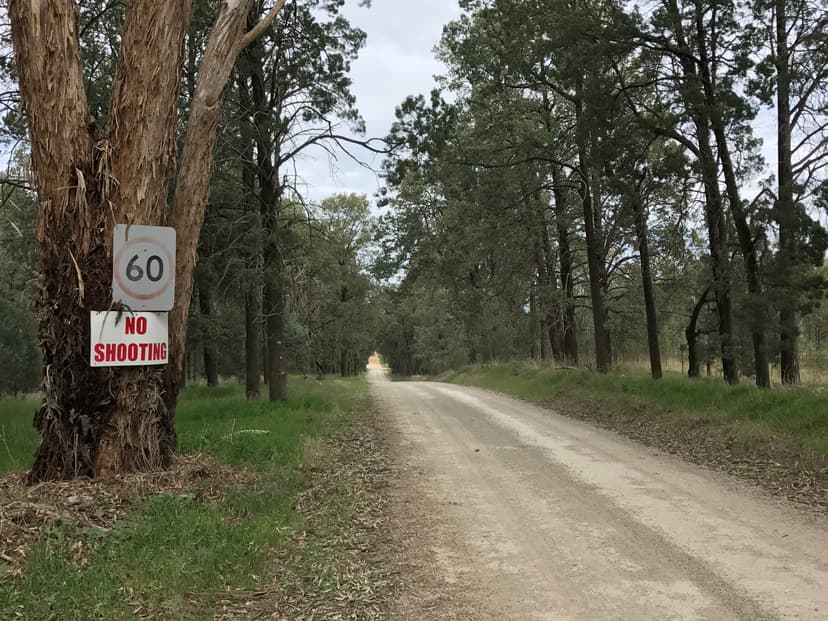
- 19% said they missed a speed sign due to poor sizing, confusing placement, or bad positioning
- 17% said they were driving in an unfamiliar area
- Around 20% said they were matching the pace of surrounding traffic
- 17% said they were running late
- 6% cited a medical or personal emergency
Only 12% of those surveyed acknowledged that they had deliberately exceeded the speed limit when they received their fine. That number is considerably smaller than the share who described circumstances that had more to do with environment and awareness than with intent.
Why the finding matters now
Speed enforcement across Australia has been increasing, and the start of a new school term brings additional reduced zones into residential and suburban areas. Navman pointed to this period as one where staying actively focused on the road and monitoring speed limit signage is more important than at other times of year.
The survey results suggest that a significant portion of fines issued are not the result of drivers choosing to ignore the law. A speed limit that drops on an unfamiliar stretch of road, a sign obscured by a parked vehicle or poorly lit at night, or a moment of distraction inside the car can each produce a fine without the driver ever making a conscious decision to exceed the limit.
The practical implication is that most drivers can reduce their fine risk not by changing their attitude toward speed laws, which most already follow, but by staying alert to limit changes in real time and treating unfamiliar roads as zones where the posted limit may be lower than expected.