Last updated July 11, 2026
A round of new road rules took effect across Australia on 1 July 2026, with each state introducing its own changes covering speeding fines, electric scooter regulation, motorcycle safety gear, toll costs, and learner driver requirements. Here is what changed, state by state.
- NSW — Learner and P-plate motorcycle riders must wear protective gloves
- NSW — Weekly toll cap drops from $60 to $50 from 6 July
- QLD — Police can seize and destroy non-compliant electric scooters on the spot
- QLD — Riders must hold a licence from 31 August 2026
- SA — Speeding fines increased across all bands, up to $2,018 for serious excess speed
- VIC — Unpaid fine costs escalate more steeply past the initial payment deadline
New South Wales
NSW has introduced mandatory protective gear for learner and provisional motorcycle riders. From 1 July, L, P1, and P2 licence holders must wear approved protective gloves at all times when riding. Learner riders additionally must wear an approved high-visibility vest or jacket. The rules do not apply to fully licensed riders, though the gear is still recommended.
On roadwork speed limits, the state has also updated its rules to require temporary reduced speed limits to be removed outside active construction hours when it is safe to do so, addressing a longstanding complaint about empty worksites running reduced limits around the clock.
From 6 July 2026, the weekly toll cap for NSW motorists drops from $60 to $50. The reduced cap applies for 12 months. From September 2026, a one-off registration discount applies automatically: $100 for passenger vehicles and $80 for motorcycles. No application is required.
Victoria
Victoria has not introduced new traffic offences, but has strengthened the consequences of leaving existing fines unpaid. Changes to the infringement enforcement system mean that costs escalate more steeply for fines not paid by their initial due date. The practical effect is to increase the total financial penalty for anyone who lets an infringement sit beyond the first payment deadline.
Queensland. Electric Scooters and Electric Bikes Face Major New Rules
Queensland has introduced the most significant state road law changes in this round, targeting electric scooters and electric bikes with a comprehensive new framework. Police now have the power to seize and destroy non-compliant devices on the spot. Random breath testing applies to riders, with a blood alcohol limit of 0.05.
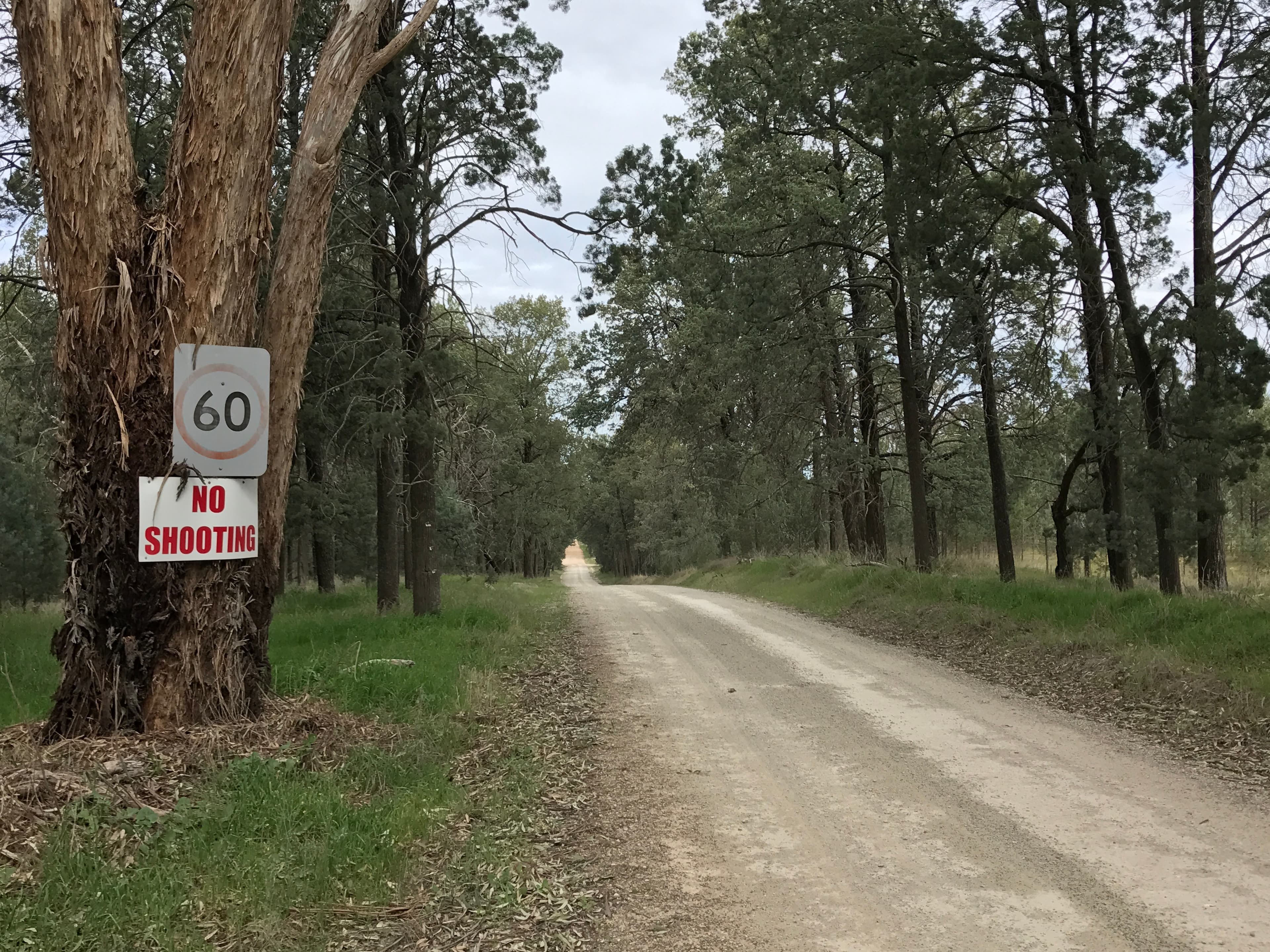
Under the new rules, electric scooters and electric bikes may only be ridden on roads with a posted speed limit of 60km/h or lower, or in designated bicycle lanes. The maximum speed on roads is 25km/h, dropping to 12km/h on footpaths and when passing pedestrians.
From 31 August 2026, riders must be at least 16 years old and hold a valid driver’s licence or learner’s permit. Where a rider under that age is caught in violation, parents or guardians can be issued the fine.
South Australia. Speeding Fines Revised Upward
South Australia has increased its speeding fines across all bands. The new amounts are now some of the highest in the country for mid-range and serious excess speed offences.
| Speed over limit | Fine (from 1 July 2026) |
|---|---|
| Under 10km/h over the limit | $215 |
| 10 to 20km/h over the limit | $484 |
| 20 to 30km/h over the limit | $998 |
| 30 to 45km/h over the limit | $1,793 |
| Over 45km/h over the limit | $2,018 |
| Drink driving (BAC under 0.08) | $904 |
The drink driving fine of $904 applies to a BAC reading below 0.08. Higher readings attract more serious charges beyond a simple infringement.
Western Australia
Western Australia has no major changes in effect from 1 July. The state is, however, considering a significant overhaul of its learner driver requirements. Proposals under review include doubling the minimum learner period from 6 to 12 months, increasing mandatory supervised driving hours from 50 to 80 hours (with at least 10 at night), and extending the provisional licence period from 2 to 3 years. None of these have been enacted yet.
ACT and Tasmania
Neither the Australian Capital Territory nor Tasmania introduced significant new road rules this round. Both territories have applied standard inflation-indexed increases to existing penalty amounts, meaning some fines are marginally higher, but there are no structural changes to traffic law.
Frequently asked questions
What new road rules took effect in Australia in July 2026?
From 1 July 2026, NSW mandated protective gloves for learner and P-plate motorcycle riders. Queensland gave police power to seize non-compliant electric scooters on the spot. South Australia increased speeding fines across all bands to as high as $2,018. NSW also reduced its weekly toll cap from $60 to $50 from 6 July. Each state introduced its own changes.
What are Queensland’s new electric scooter rules?
From 1 July 2026, Queensland police can seize and destroy non-compliant electric scooters on the spot. A 0.05 BAC limit applies. Scooters are limited to roads with a 60km/h or lower speed limit at a maximum of 25km/h, or 12km/h on footpaths. From 31 August 2026, riders must be at least 16 and hold a valid licence.
What are South Australia’s new speeding fines from July 2026?
SA’s new fines range from $215 for under 10km/h over the limit up to $2,018 for more than 45km/h over. Mid-range offences at 20 to 30km/h over now attract $998. A drink driving infringement at BAC under 0.08 carries a $904 fine.
What changed for NSW drivers in July 2026?
Three changes affect NSW drivers. Learner and P-plate motorcycle riders must now wear protective gloves, with L-plate riders also needing a high-visibility vest or jacket. The weekly toll cap dropped from $60 to $50 from 6 July. From September 2026, a $100 one-off registration discount for passenger vehicles and $80 for motorcycles applies automatically.
Did Victoria introduce new road rules in July 2026?
Victoria did not create new traffic offences, but tightened the cost structure for unpaid infringements. Fines not paid by their initial due date now escalate more steeply, increasing the total penalty for anyone who lets a fine sit unpaid.
Are the July 2026 road rule changes the same in every Australian state?
No. Each state introduced different changes. Queensland made the most significant shift with its electric scooter overhaul. SA raised speeding fines. NSW changed motorcycle gear rules and its toll cap. VIC tightened unpaid fine escalation. WA had no new rules take effect in July. ACT and Tasmania applied inflation increases only.
Related road rules guides
Be first to know when clearance vehicles hit the market, updated weekly
Get free alerts →