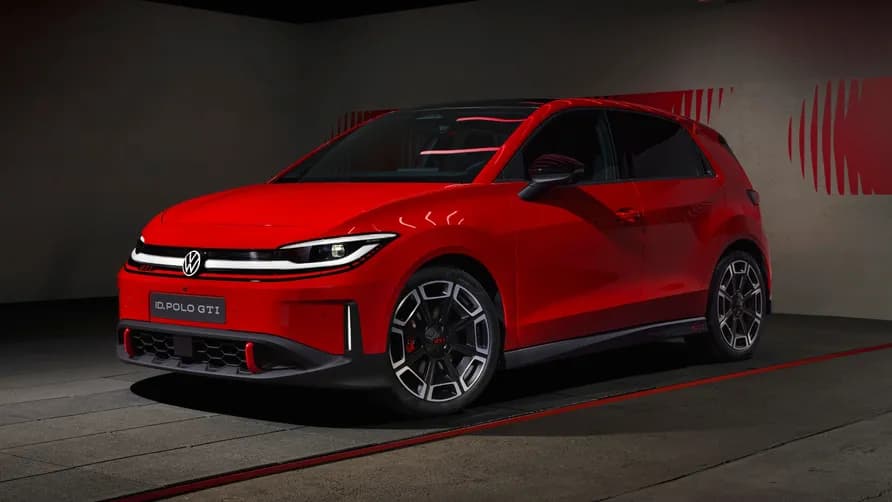
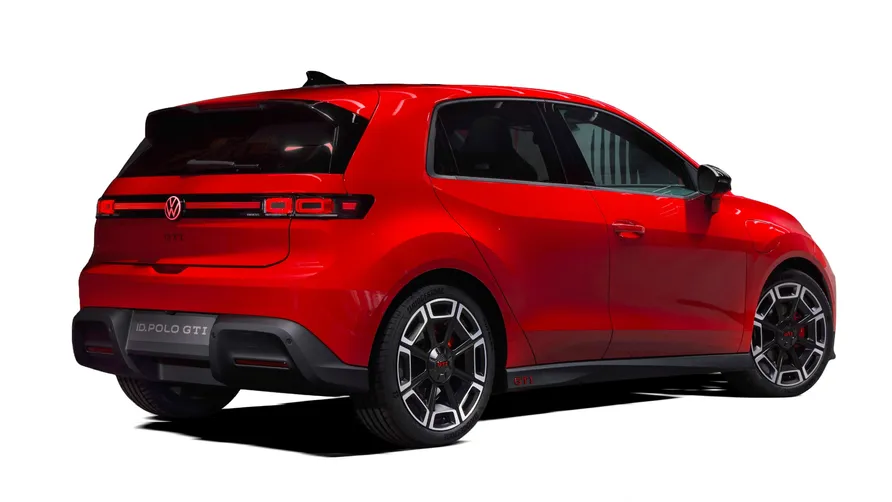
The Volkswagen ID.Polo GTI has arrived as the most powerful production Polo ever built. Volkswagen describes the driving character as closer to the current Golf GTI than to any petrol Polo GTI that preceded it. That is a significant claim for a small electric car, and it has already produced sharply divided reactions from those who have seen it up close.
What the ID.Polo GTI Brings to the Segment
The ID.Polo GTI is powered by a single front motor producing 166 kW and 290 Nm of torque, with a claimed 0 to 100 km/h time of 6.8 seconds. A 52.2 kWh battery supports a WLTP range of up to 484 km. Drive goes to the front axle, with an electronically controlled front differential lock fitted as standard. Volkswagen traces that front wheel drive layout directly back to the original 1976 GTI, a lineage the brand is leaning into hard with this model.
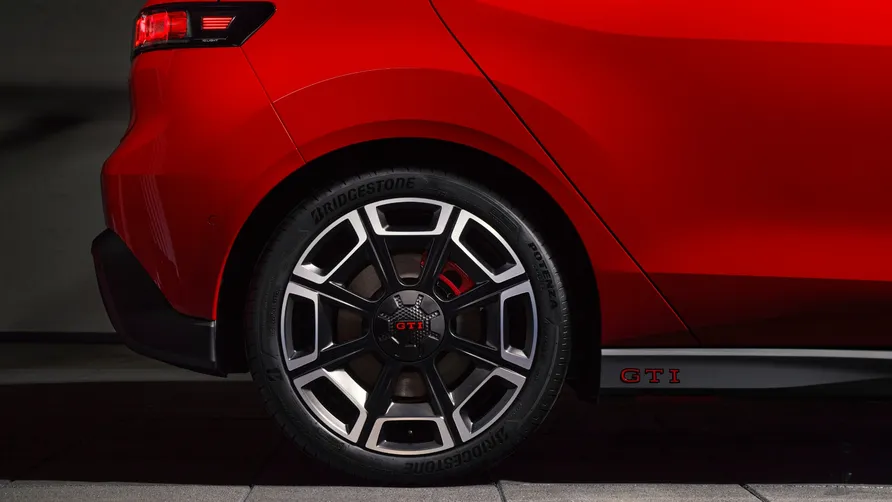
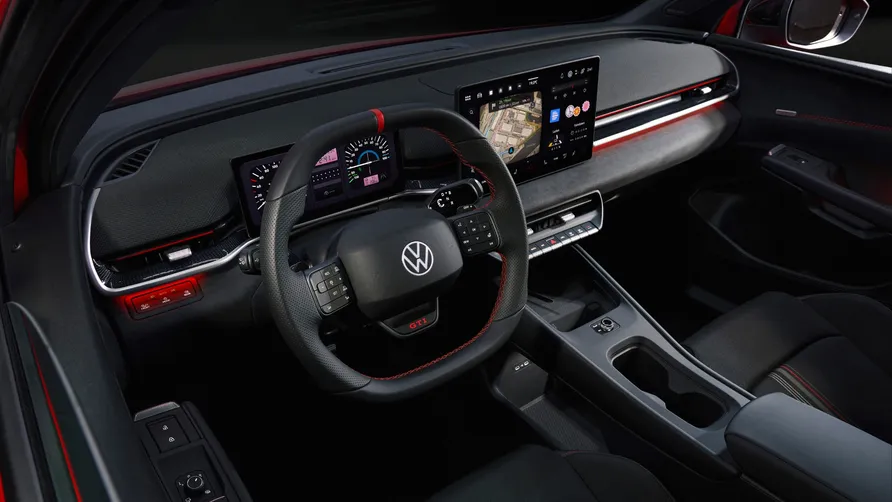
Physical buttons are back inside, a deliberate reversal from the touch-heavy interiors VW has pushed in recent years. The exterior styling has also been given more presence than previous Polo generations, with GTI-specific details throughout.
The Case for Concern
The sceptical position rests on a recent track record that has not been kind to electric performance cars in this class. Several models that generated serious pre-launch excitement went on to disappoint with steering that communicated little, driving character that felt processed and distant, and real-world range that made any kind of enthusiastic use impractical. The Alpine A290 and others fell into this category for some observers. The one consistent exception cited is the Hyundai Ioniq 5 N, which is widely regarded as the only electric performance car to have genuinely met the expectations it created.
The concern with the ID.Polo GTI is that Volkswagen appears to have opted for caution rather than conviction. A car built this carefully around broad appeal risks ending up as a polished and efficient commuter wearing a GTI badge, competent in every measurable way but short on the driving involvement that the name is supposed to promise.
The Case for Optimism
Those more positive about the ID.Polo GTI start with a useful point of reference: the petrol Polo GTI it replaces was never a particularly exciting machine to begin with. It was refined, composed, and easy to live with, but it rarely stirred the kind of feeling that the GTI name implies. Against that baseline, the electric model's restored physical controls, stronger visual identity, and more purposeful design already represent a step forward.
Early ride quality observations have also been encouraging, described as preferable to the Alpine A290 even where the Volkswagen's top speed falls short of the French car's figure. What the optimists are most interested in is a direct three-way comparison between the ID.Polo GTI, the Alpine A290, and the Mini JCW Electric. That test, when it arrives, should clarify where the new Volkswagen actually stands in the emerging electric hot hatch class.
The ID.Polo GTI enters a segment with limited established competition and a lot of unresolved questions about what electric performance should feel like at this price point. European sales begin in 2026. International availability, including timing for right hand drive markets, has not been confirmed by Volkswagen.