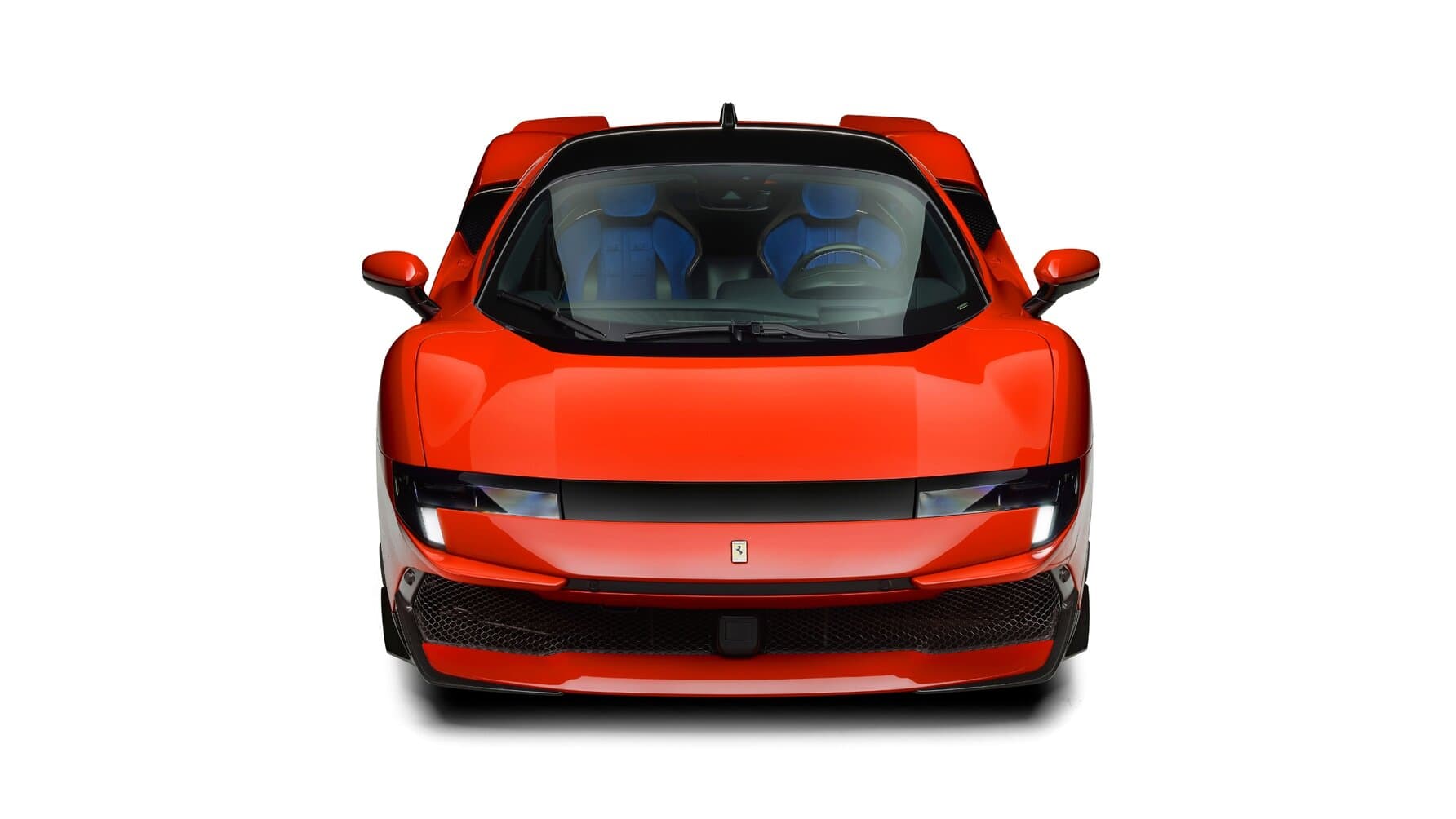
When Ferrari revives one of its most iconic nameplates, the pressure is enormous. The Ferrari 849 Testarossa had that legacy to contend with, and according to Frank Stephenson, one of the people who knows Ferrari designbetter than almost anyone, it hasn’t risen to the occasion. The original was one of the defining cars of the 1980s, a machine so visually distinctive it became a cultural shorthand for an entire era of excess and aspiration.
The Weight of the Original
Frank Stephenson spent years inside Ferrari and Maserati before going on to lead design at McLaren and MINI. He’s responsible for some of the most celebrated car designs of the past three decades, which makes his opinion on the 849 worth taking seriously.
His view is clear: the 849’s styling reaches for the drama of the original without having the same mechanical justification behind it. In his words, it’s a car that had big shoes to fill and hasn’t filled them.
What Made the First Testarossa Different
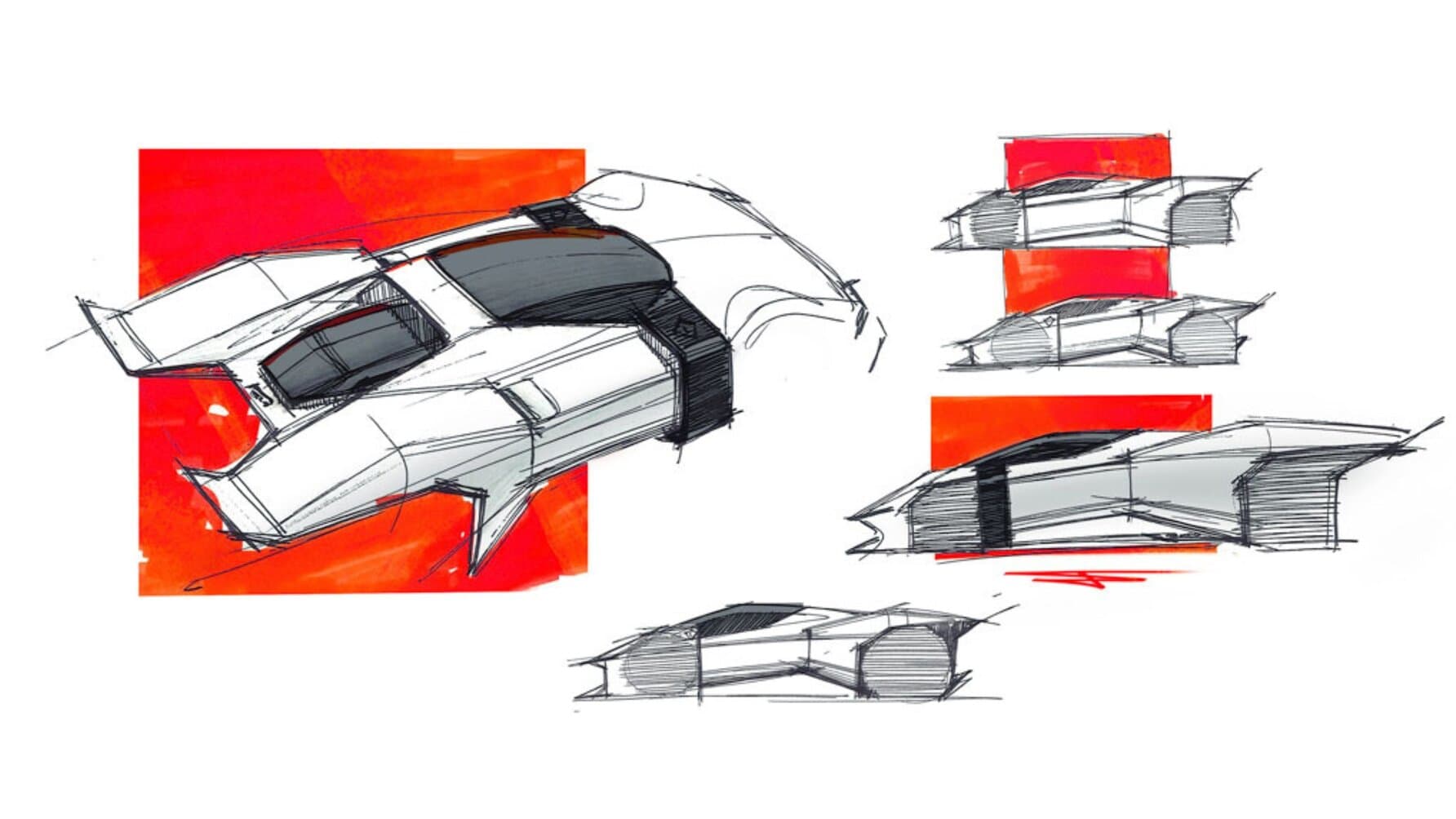
Stephenson’s central argument is that the original Testarossa’s design wasn’t arbitrary. The wide side strakes, the broad rear haunches, the flat profile, all of it existed because the car needed enormous side-mounted radiators to cool its flat-twelve engine. The design followed the engineering. That relationship between form and function is what gave the original its visual authority.
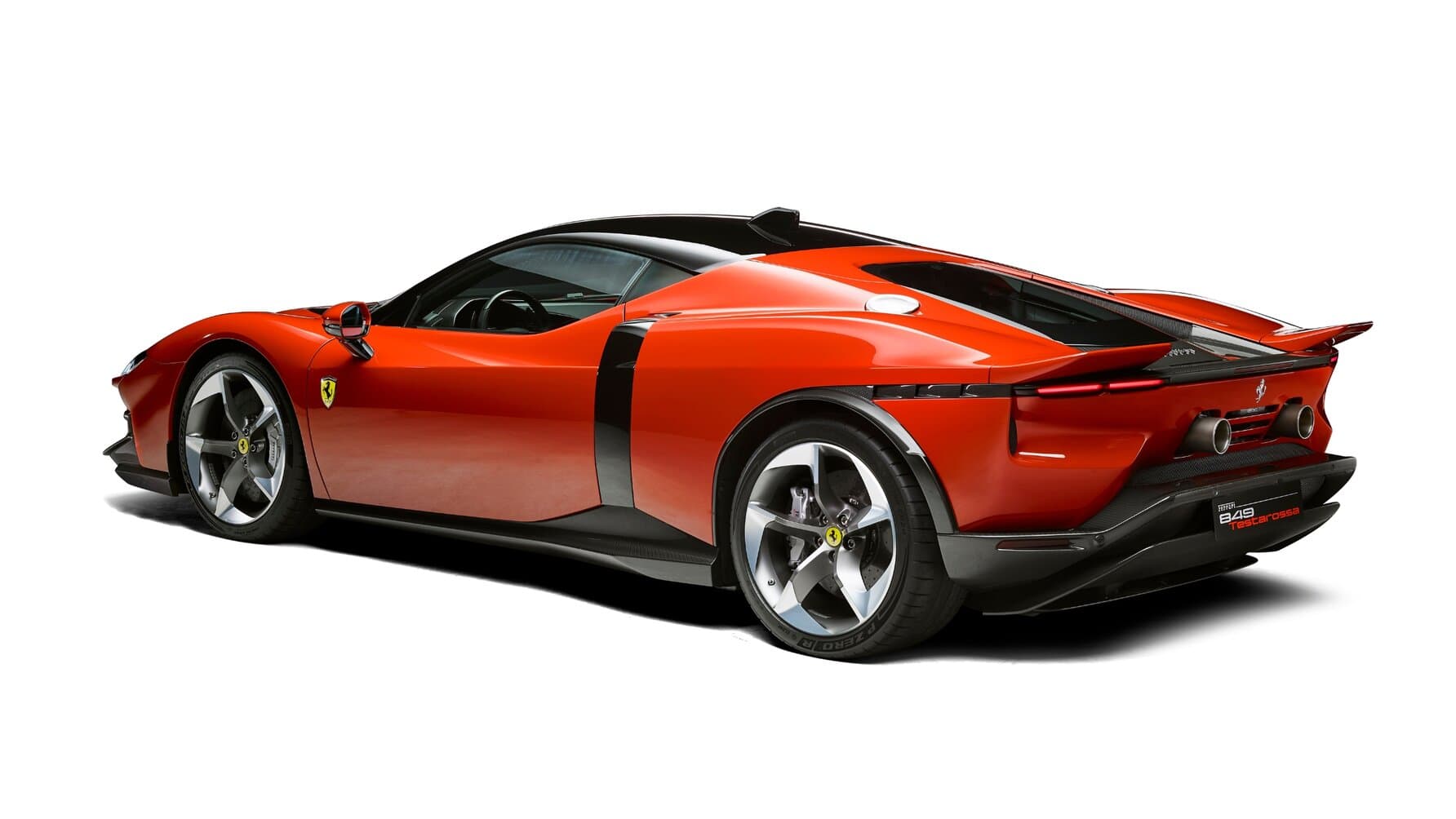
Engine: 6.5-litre naturally aspirated V12. Output: approximately 830 horsepower. The original 1984 Testarossa used a 4.9-litre flat-twelve producing 390 horsepower.
What Stephenson Actually Said
The new car is technically impressive. A 6.5-litre V12 producing around 830 horsepower, a modern chassis, and performance numbers that would have seemed impossible when the original launched in 1984. But Stephenson’s point isn’t about performance. It’s about whether the design tells an honest story about what the car is and how it works.
It’s worth noting that Stephenson is not shy about criticism, including of his own work. His commentary tends to come from a place of genuine conviction rather than point-scoring. He argues the 849 borrows the visual language of the original without the engineering logic that created it, making the drama feel decorative rather than earned.
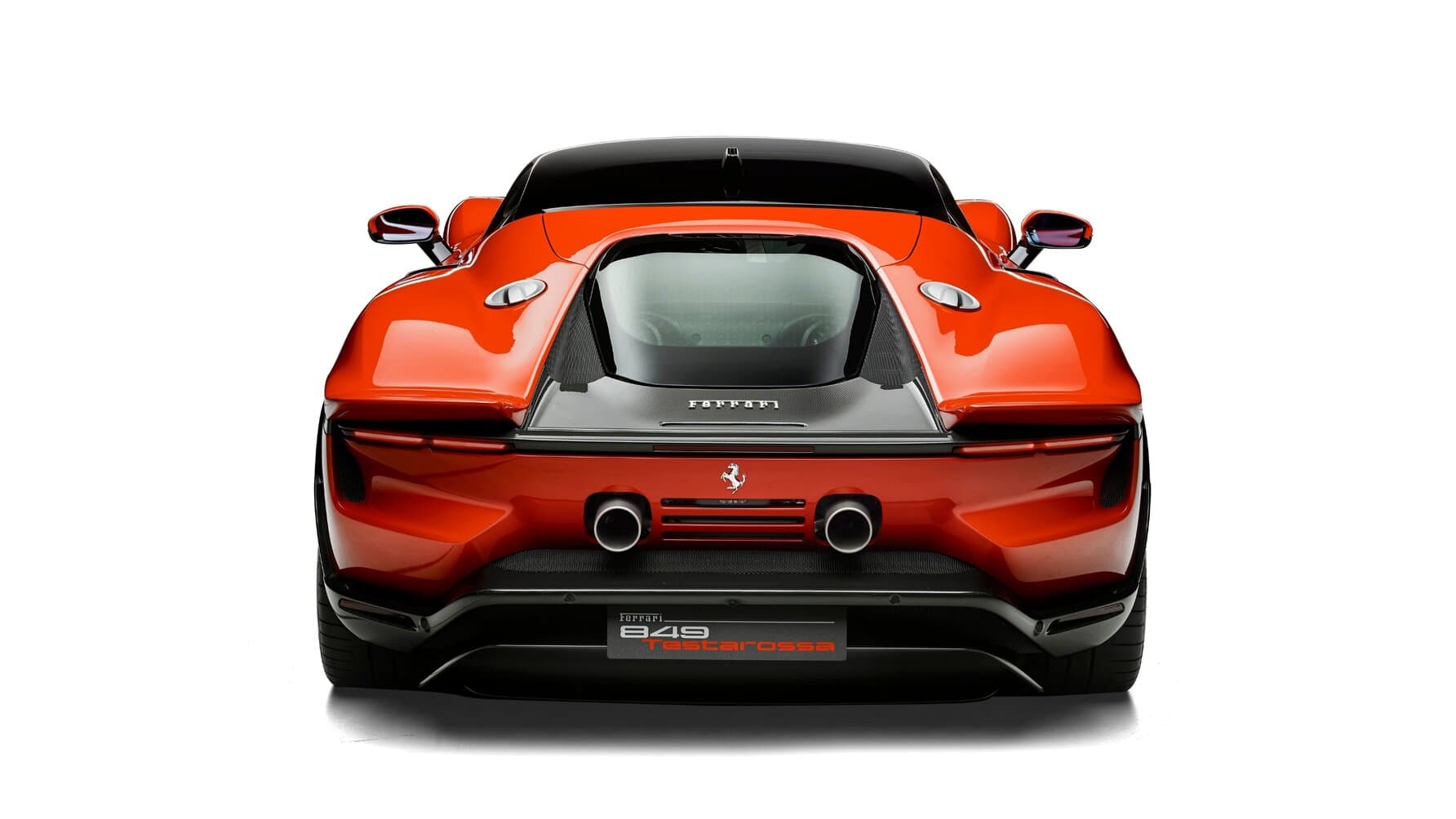
Does the Name Matter?
Whether you agree with Stephenson’s assessment or not, it raises a question that’s relevant beyond this particular car: when a manufacturer revives a legendary name, what does it actually owe to the original?
For some buyers, the 849 will be exactly what they want, a modern Ferrari with a famous badge and a magnificent engine. For others, the Testarossa name carries a weight that the new car simply doesn’t match. Stephenson is firmly in the second camp.
Be first to know when clearance vehicles hit the market, updated weekly
Get free alerts →